


It was an honour to sit on the pharmaceuticals panel at Brownstone Institute’s 6th Annual Conference and Gala in Chattanooga. Jeffrey Tucker introduced the session by noting that Brownstone is quietly launching a pharmaceutical study group to scrutinise industry practices, trials, and regulatory actions. This is an essential task given how thoroughly the sector has captured the institutions meant to oversee it. The panel brought together myself, Maryanne Demasi, and paediatrician Dr Elizabeth Mumper.
Watch the full panel here: Pharma’s Shadow: Elijah, Demasi & Mumper – Brownstone Conference 2026
The book and the 3/11 timeline
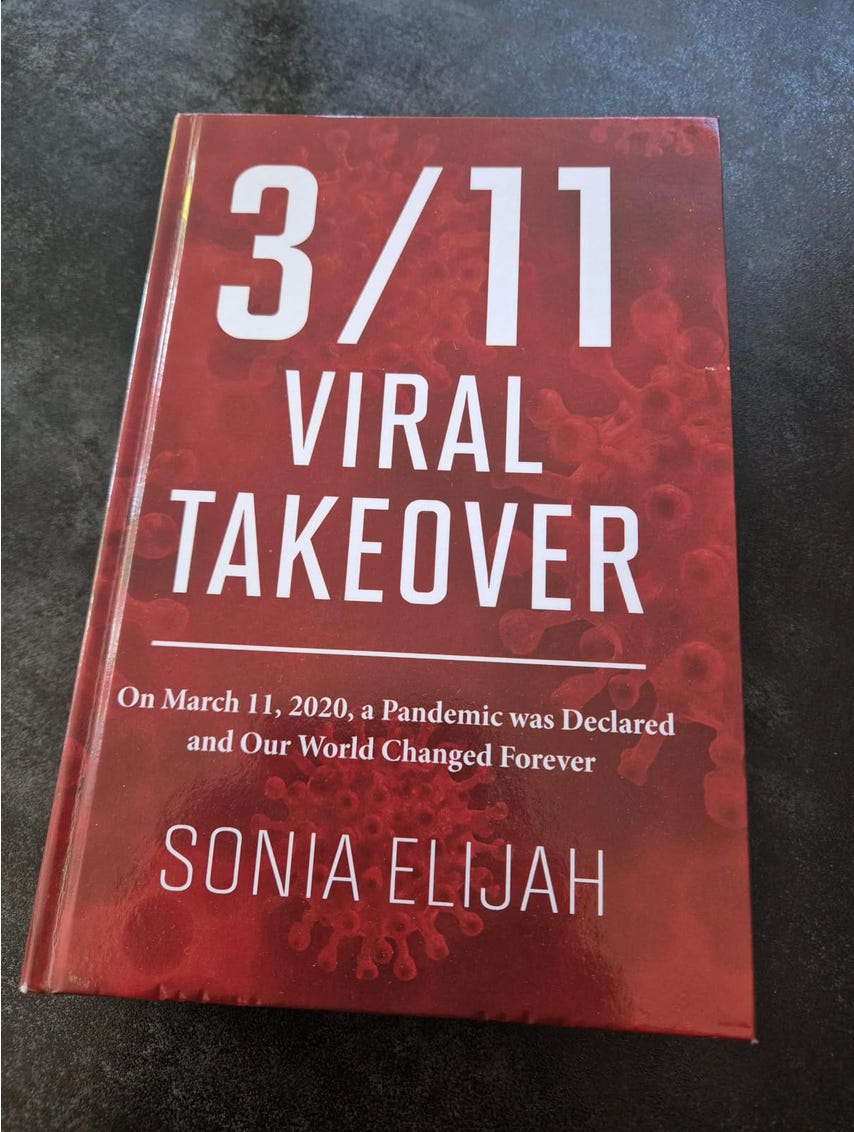
I spoke about 3/11 Viral Takeover, which took roughly three and a half years to write. The book is built around a detailed chronological timeline that runs up to and beyond what I call 3/11 (the WHO’s pandemic declaration on 11 March 2020). A date that marked a societal pivot. I stressed how the response was highly coordinated rather than an organic reaction to a health event. I’ve described it, in my view, as a biological sequel to 9/11: a crisis used to expand state power, intensify surveillance, and normalise mass censorship.
The groundwork was visible in 2019. Pandemic exercises such as Crimson Contagion and Event 201 (backed by the Gates Foundation and the World Economic Forum) focused less on containing a virus and more on countering “disinformation” in real time through public-private partnerships. Those guidelines foreshadowed the Trusted News Initiative’s expanded remit in March 2020. The aftermath includes the ongoing push for digital ID, the marginalisation of cash, and broader digital authoritarianism across the West.
The Surgisphere scandal and the blacklisting of early COVID treatments
On the pharmaceutical side, I returned to a chapter of the story that still doesn’t get enough attention: the Surgisphere scandal and its role in clearing the path for the novel mRNA products.
As I documented in 3/11 Viral Takeover, the May 2020 Mehra et al. study, which was published in The Lancet journal, relied on data from a small Chicago-based company called Surgisphere. The study claimed that hydroxychloroquine was associated with higher mortality and increased cardiac arrhythmias. The same day it appeared, outlets including the BBC and The New York Times ran headlines along the lines of “Trump’s drug kills people.” The findings prompted the FDA to rescind its emergency use authorisation for hydroxychloroquine, which had previously been available. However, the problem with the paper was that the underlying data proved to be fake, leading to its eventual retraction but the policy and narrative damage had already been done.
The episode formed part of a wider blacklisting of early COVID treatments. Under the emergency-use framework, novel gene-based products could not receive authorisation if existing alternatives were deemed available. Hydroxychloroquine and ivermectin were systematically denigrated. Internal FDA emails later showed officials celebrating the viral reach of the agency’s “You’re not a horse” tweet.
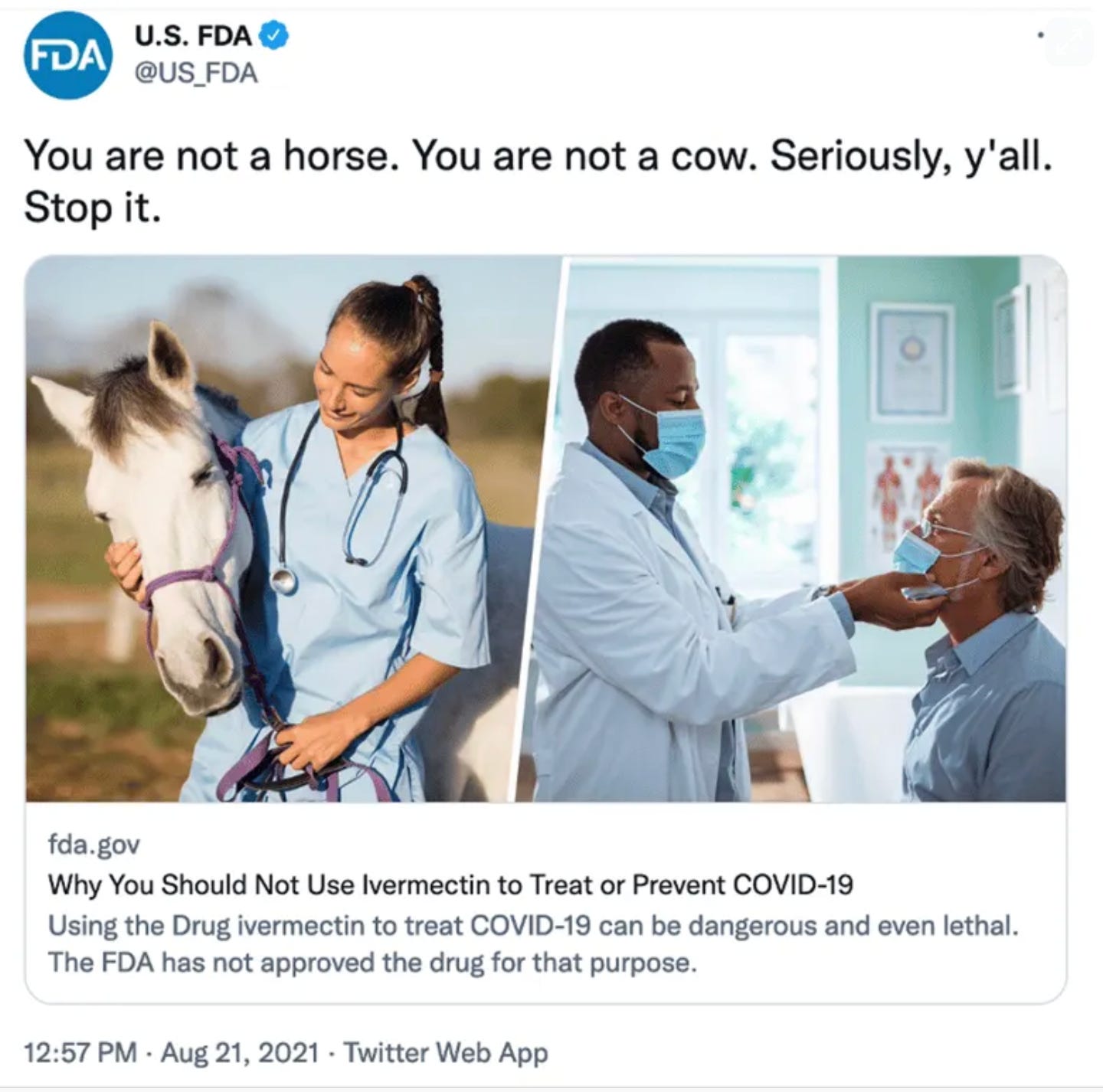
Meanwhile, BioNTech and Moderna had previously failed to bring mRNA platforms to market because of toxicity issues in safety studies. The crisis of 3/11 provided the regulatory and political conditions that green-lit products never previously judged safe. I regard this sequence as one of the central crimes of the period.
Several chapters of the book are devoted to the blacklisting of early COVID treatments and the surrounding data and journal failures.
Related points from the panel
Maryanne Demasi discussed the near-impossibility of obtaining underlying individual-participant data from influential trials (including statin studies whose raw data remain effectively controlled by industry sponsors) and the growing reliance on “real-world” datasets that are often inaccessible to independent researchers. She noted a recent Florida analysis comparing Pfizer and Moderna recipients that found higher mortality with Pfizer, yet lacked a true unvaccinated control group. She also highlighted how middlemen companies that curate hospital data can further obscure verification.
Dr Elizabeth Mumper addressed the structural problem created by the 1986 Act, which shields manufacturers from ordinary liability and routes claims through vaccine court. She described the clinical reality of vaccine injury, ranging from lifelong disability to death, and the dramatic rise in chronic conditions among children. She also noted the scale of reported injury after the COVID shots relative to prior vaccines, and the shortcomings of systems such as V-safe (whose free-text fields recorded desperate appeals that went unanswered) and the Vaccine Safety Datalink (tightly controlled and largely inaccessible to outside researchers).
Later in the discussion I mentioned parallel examples of data withholding and journal pressure. In the UK, the Office for National Statistics and UK Health Security Agency have resisted releasing anonymised data linking COVID shots to excess deaths; one stated reason was that release would “fuel anti-vaccine sentiment” and cause “emotional distress” to bereaved families. There was also the Netherlands study published in the BMJ that simply asked whether excess deaths might be linked to the shots. It was later retracted after institutional distancing and journal investigation. The pattern is consistent: data that might challenge the official narrative is censored, and even posing the question can trigger retraction.
What came through most clearly was how tightly pharmaceutical capture, data opacity, and narrative control were working together after 3/11.
3/11 Viral Takeover available in Kindle, paperback, hardcover, and audiobook!
Thank you for this.
More about Elizabeth Mumper and her Jab research
https://geoffpain.substack.com/p/rapid-urine-test-might-help-diagnosis